CAPTAIN ACTION UNIVERSE
Chapter 1 - Birth of a HERO (1966)
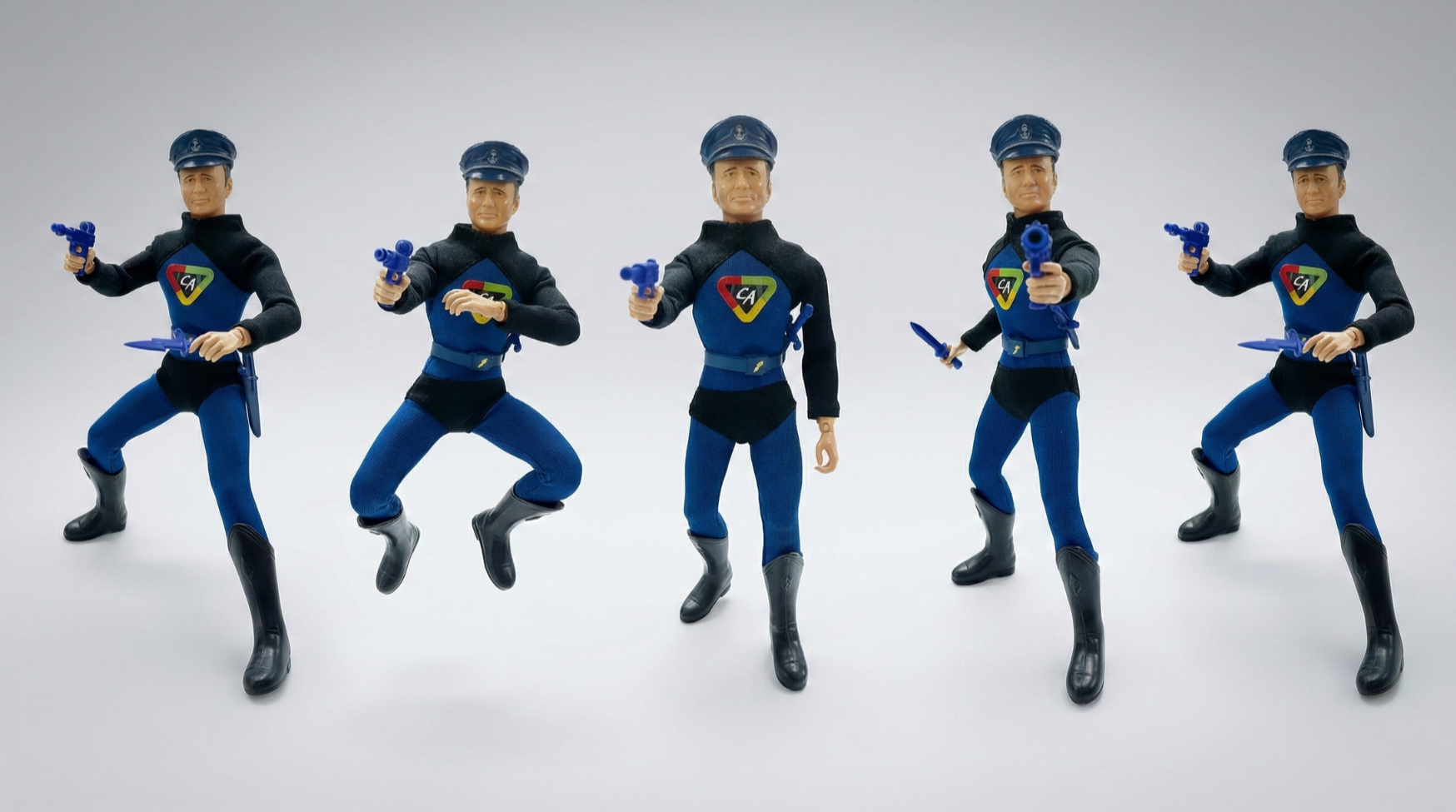
In the mid-1960s the toy aisle was changing. The military-based action figure had been popularised by G.I. Joe, but kids were increasingly captivated by capes, secret identities and dynamic heroes on TV. Into this landscape stepped Captain Action. Introduced by Ideal Toy Corporation in 1966, Captain Action was conceived as an articulated 12-inch hero who did something no other figure had done: he could become his favourite comic-book heroes.
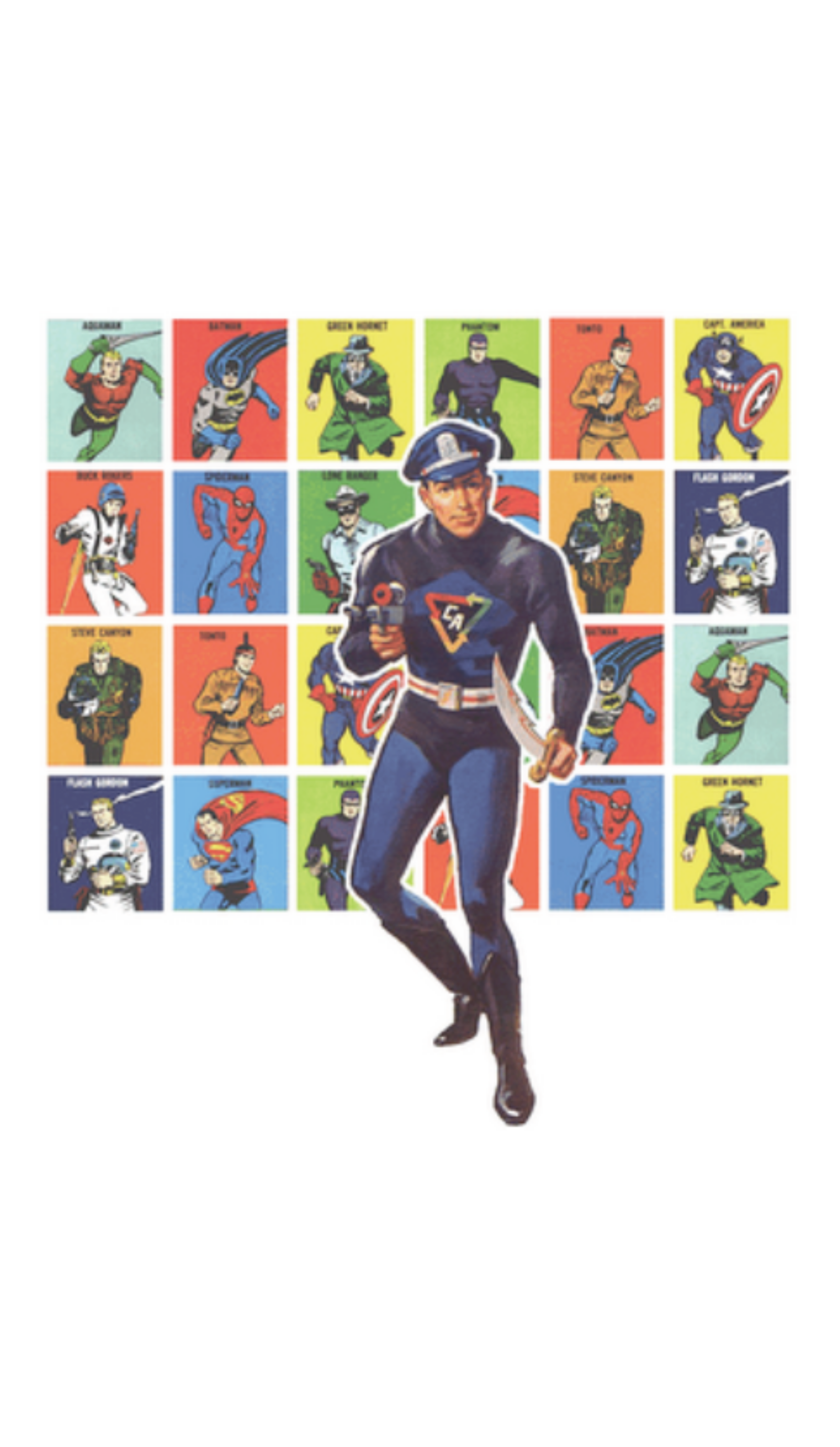
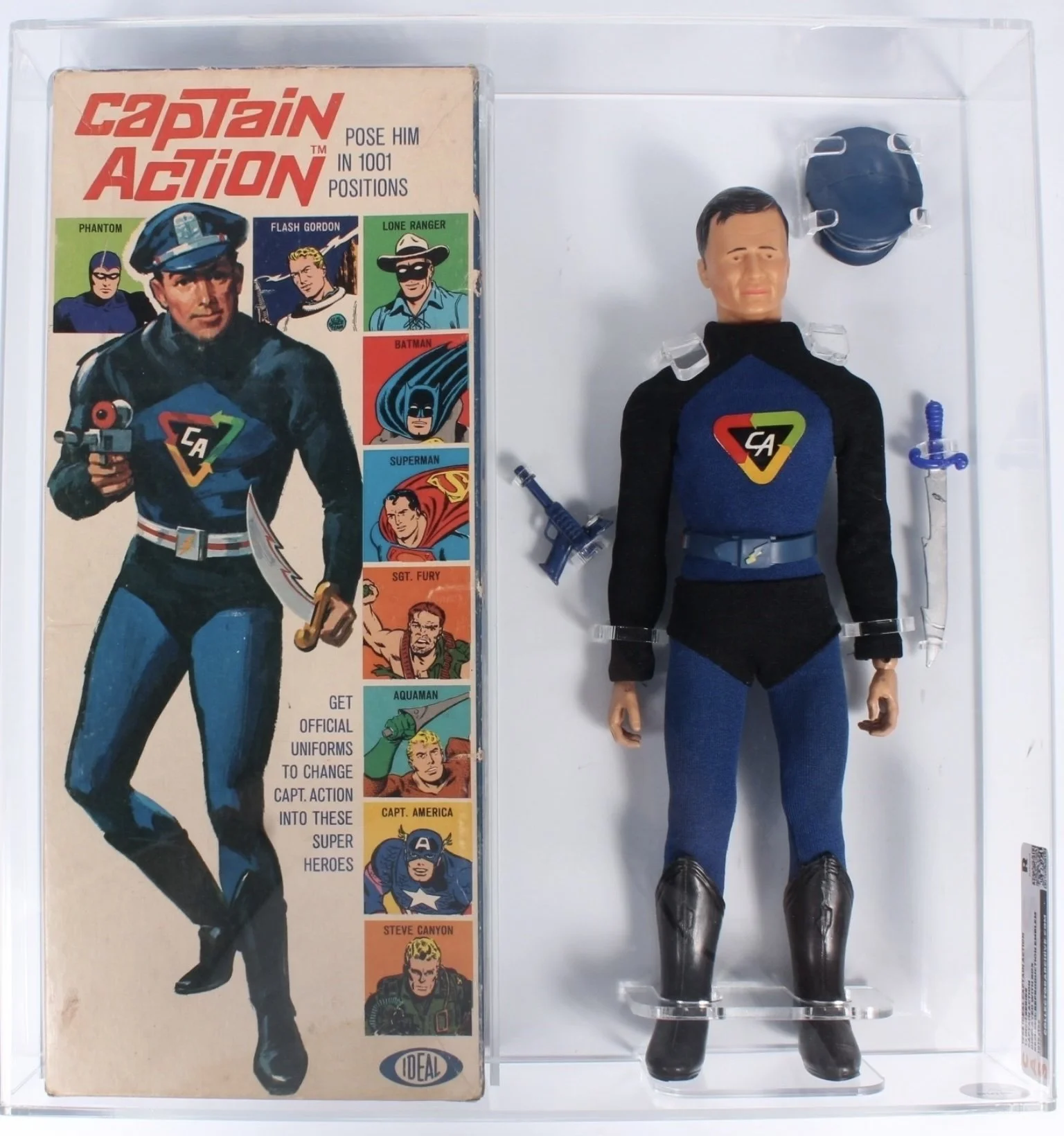
Toy-developer Stan Weston (whose licensing company had arranged rights to DC, Marvel and King Features characters) brought the idea to Ideal. The resulting figure was packaged in his own blue and black uniform, holding a ray gun and a lightning sword—and accompanied by an invitation: buy the costume packs, slip on the mask, and Captain Action became Superman… Batman… Aquaman… The Phantom… and more. What changed the game was not simply the figure, but the interchangeable identities.
Licensed costumes included Superman, Batman, Captain America, Flash Gordon, The Lone Ranger (with Tonto), Steve Canyon and Sgt. Fury. In 1967 the line expanded to include Spider-Man, Buck Rogers, The Green Hornet and a new variation of The Lone Ranger.
The packaging was striking: the figure in his base uniform, while on the side panel illustrations of the other hero identities beckoned children to “get official uniforms to change Cap. Action into these super-heroes.” The attention to detail (helmets, masks, boots, belts) and the licensed characters gave Captain Action strong play value right out of the box.
Chapter 2 – The Universe Expands
As the line matured, Ideal and its licensors added more play-elements to the Captain Action universe. Among them: a parachute version of Captain Action (for “drop-zone” play), a carrying case for outfit sets, and the iconic Silver Streak vehicle—an amphibious car to transport the hero on land and sea.
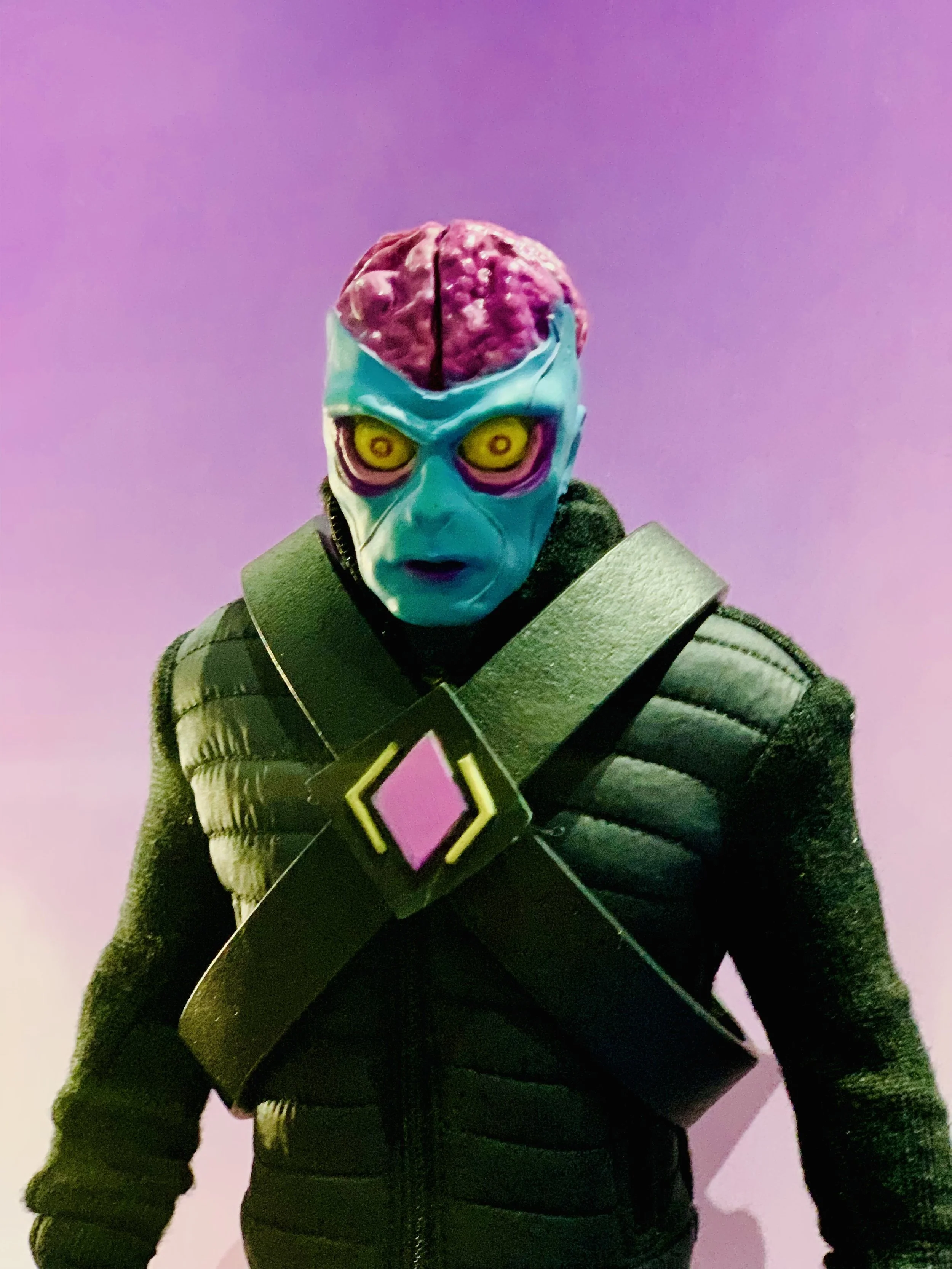
In 1968 the line introduced Dr. Evil, the first true branded villain for Captain Action. With his alien appearance (blue skin, exposed brain) he offered a narrative adversary rather than simply an accessory. The addition of a villain signalled the brand’s shift from pure gimmick to a toy universe with hero vs. villain drama.
Despite the innovations, broader toy trends were shifting. The late 1960s saw the rise of smaller figures, different licensing models, and changing child-play behaviors. As a consequence, the original Captain Action line was discontinued around 1968–69.
CHAPTER 3 - Why Captain Action Endure
Although Captain Action’s original toy line from the mid-1960s lasted only a few years, his legacy has never truly faded.
One of the major reasons: the unique “one figure—many heroes” concept. As collector-writer Joe Jusko notes, Captain Action wasn’t just a soldier-figure, he was “an actual super-hero, but not just ANY super-hero… he could be ANY hero!”
The character tapped into the dawn of the superhero boom, the era of the 1960s Batman TV show plus syndicated Marvel cartoons, and the action-figure category evolving beyond just military themes.
These features have given the brand a strong nostalgia core: vintage collectors, adult fans, and new entrants alike recognize Captain Action’s distinctive place in toy history. 13th Dimension’s “TOP 13 Captain Action Sets & Collectibles” ranking piece is a testament to the brand’s elevated collector status.
Collectors and enthusiasts continue to explore and celebrate the brand through blogs, commentary, retrospectives and re-issues. For example, the “It’s CAPTAIN ACTION WEEK” series at 13th Dimension covered every issue of the original DC comics run and demonstrated the sustained fan interest decades later.
Chapter 4 – Into the New Era: The Captain Action Universe
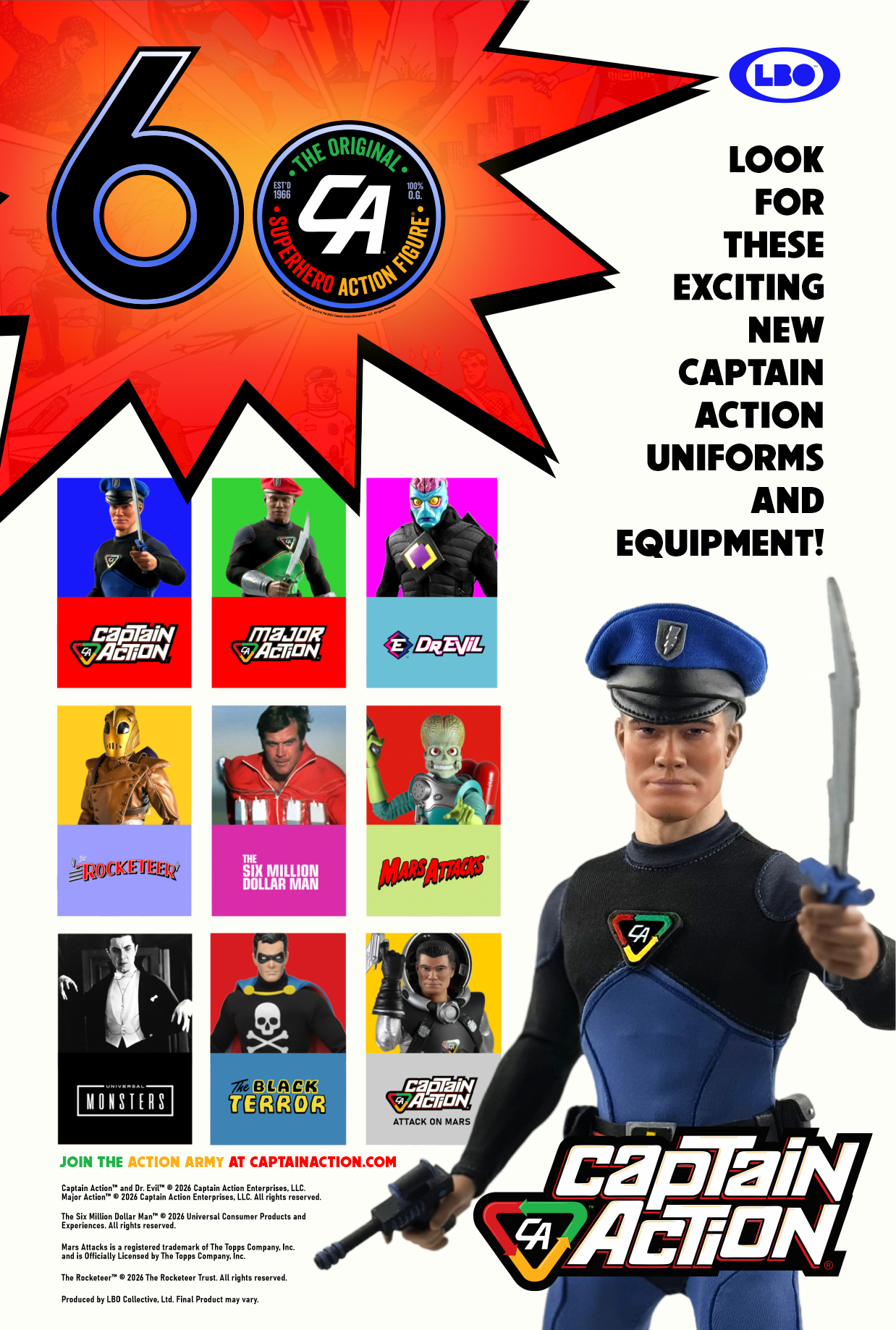
As the owner of the Captain Action property, you have a unique opportunity: to honour the past while building the future. The original vision—a hero-figure with limitless potential identities—lends itself naturally to expanded narratives, modern collectibles, graphic novels, games and cross-media storytelling. In this new era, Captain Action is not just the 1966 figure, he is a symbol of transformation, legacy and heroism across eras.
On this site you will explore:
The vintage archives: original figures, costume sets, playsets and packaging.
The story behind the toy: licensing deals, production history, collector stories.
The universe beyond the toy: comics, expanded mythos, narrative threads that link past and present.
The future of Captain Action: new collectibles, games, graphic novels and multimedia adventures.
Whether you’re revisiting your childhood hero or discovering Captain Action for the first time, you’re entering a universe where identity, courage and transformation are the central themes. The legacy of the original figure lives on—and now, in your hands, the next chapter begins.
EPILOGUE
Captain Action may have had a brief initial lifespan, but his impact endures. From 1966’s bold concept through to modern interpretations, he stands as one of the most innovative action figures of his time. As we step into the next chapter of the Captain Action Universe, we carry forward the spirit of that original hero: ready for action, ready for transformation—and ready to become whatever hero you imagine.